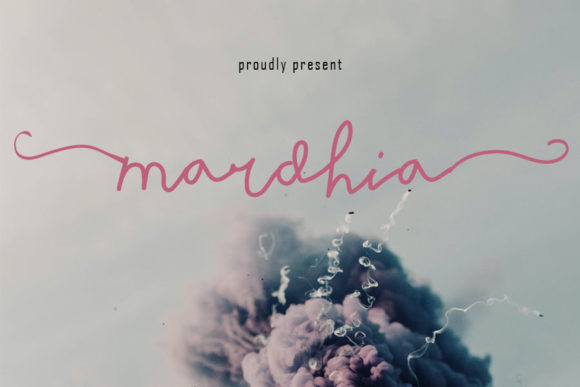
Mardhia: A Whimsical Handwritten Font for Digital Branding
Choosing Mardhia for a Creative Portfolio Redesign
While redesigning a creative portfolio site recently, I wanted a font that would reflect the artist’s playful personality while maintaining a polished digital presence. Mardhia caught my eye—its handwritten charm felt both personal and intentional. I dropped it into the hero section as the main headline font, paired with a clean sans serif for body text, and immediately noticed how it elevated the overall tone of the page.
What stood out was how Mardhia’s natural strokes and slight texture translated beautifully on screen. It wasn’t too ornate to feel out of place in a modern layout, yet it carried enough character to set the brand apart visually. The font felt like a signature—intimate and expressive—perfect for a creative brand that values authenticity and artistry.
How Mardhia Enhances Digital Brand Identity
In web design, typography plays a key role in shaping brand perception. Mardhia fits into the category of a display font or script font, ideal for branding moments that need emotional resonance. Whether it’s used in a logo, a hero header, or a testimonial quote, Mardhia brings warmth and a human touch to digital spaces that can often feel sterile or over-polished.
I tested it across several brand elements: the homepage title, a call-to-action button, and a quote section. It worked best as a headline font, especially in larger sizes. On a hero image with a soft overlay, Mardhia’s strokes remained legible and elegant. The font added a sense of craftsmanship to the brand, aligning perfectly with the artist’s handmade aesthetic.
Responsive Design and Readability Considerations
When working with a decorative font like Mardhia, it’s important to test its performance across screen sizes. At smaller sizes—like on mobile navigation or form labels—the font’s intricate details can get lost. I found that using Mardhia at 24px or larger maintained its readability and visual impact. Below that, it started to feel cramped and less legible, especially on lower-resolution displays.
I also tested it over dark and light backgrounds. On a light background with good contrast, Mardhia looked crisp and inviting. Over a dark image banner, I added a subtle white outline to ensure legibility without losing the font’s organic charm. For accessibility, I recommend using it only in decorative or short-form applications, not in interfaces where readability is critical, such as dashboards or data-heavy pages.
Font Pairing for Web Layouts
One of the most important aspects of using a handwritten font like Mardhia is knowing how to pair it with more functional typefaces. I paired it with a minimalist sans serif for all body copy and interface elements. The contrast between Mardhia’s organic curves and the clean lines of the sans serif created a strong visual hierarchy that guided users through the page naturally.
In a section where the artist shared their story, I used Mardhia for the heading and a serif font for the paragraph text. This gave the layout a more editorial feel, perfect for storytelling sections. The key is balance—Mardhia shines when it’s not competing with other decorative fonts and is allowed to be the visual centerpiece of a design element.
Practical Uses and Limitations in Web Design
Mardhia is best suited for short, impactful text rather than long-form content. I used it effectively in:
- Hero headlines
- Logo text
- Call-to-action buttons
- Quote sections
- Testimonial highlights
However, I avoided using it for:
- Body paragraphs
- Navigation labels
- Form fields
- Dense interface text
Its decorative nature makes it less suitable for extended reading or small interface elements. For web designers, it’s essential to understand where a font like Mardhia adds value and where it could potentially hinder usability. When used intentionally, it enhances brand storytelling and emotional connection with users.
Checking Licensing and Font Features
Before finalizing the use of Mardhia in the portfolio site, I reviewed the font’s licensing terms. Since the artist planned to use it on a live website and in downloadable brand assets, confirming that Mardhia offered a commercial font license was crucial. The font package included multiple file formats (WOFF, TTF), which ensured compatibility across browsers and platforms.
I also explored the font’s alternate characters and ligatures. These added subtle variations that kept the text visually engaging, especially in headlines and logos. Multilingual support was a nice bonus, ensuring the font could be used in international contexts if the brand expanded its reach later.